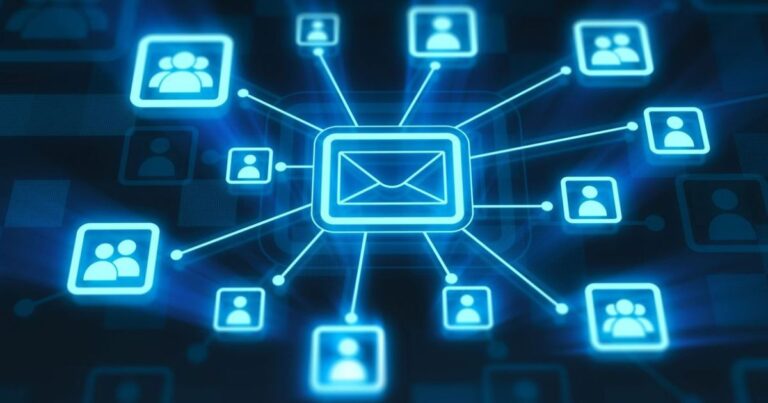
Email marketing remains one of the most powerful digital marketing channels for businesses of all sizes. Despite the rise of social media, messaging apps, and new forms of communication, email continues to deliver one of the highest returns on investment. However, success in email marketing is not just about sending messages to a list—it’s about sending the right message, to the right people, at the right time.
This comprehensive guide will walk you through practical, proven email marketing tips that can help you increase conversions, build stronger relationships with your audience, and maximize the value of every email you send.
Understanding Email Marketing Conversions
Before diving into strategies, it’s important to understand what a “conversion” means in email marketing. A conversion can vary depending on your goal. It might be:
- A product purchase
- A click on a link
- A sign-up for a webinar
- A download of a resource
- A reply to your email
Conversions are the measurable actions that move your audience closer to becoming customers—or loyal customers if they already are.
Why Email Marketing Still Works
Email marketing works because it is:
- Direct: You communicate straight to your audience’s inbox
- Personal: Messages can be tailored to individuals
- Measurable: Every action can be tracked and optimized
- Cost-effective: High ROI compared to most channels
When done correctly, email marketing can outperform nearly every other digital strategy.
Building a High-Quality Email List
Your success starts with your list. A strong email list is not about quantity—it’s about quality.
Focus on Organic Growth
Avoid buying email lists. These lists often contain unengaged users and can damage your sender reputation.
Instead, grow your list organically through:
- Website sign-up forms
- Lead magnets (ebooks, checklists, templates)
- Webinars and events
- Content upgrades
- Social media promotions
Organic subscribers are more likely to engage and convert because they have willingly shown interest in your brand.
Use Lead Magnets That Convert
A good lead magnet solves a specific problem. Examples include:
- Free guides
- Discount codes
- Exclusive content
- Email courses
Make sure your lead magnet is relevant to your target audience and aligned with your product or service.
Optimize Your Sign-Up Forms
Keep forms simple. Ask only for essential information such as:
- Name
- Email address
Use clear calls to action like:
- Get Your Free Guide
- Join Now
- Start Learning Today
Segmenting Your Audience
Not all subscribers are the same. Sending the same email to everyone can reduce engagement.
What Is Email Segmentation?
Segmentation is the process of dividing your email list into smaller groups based on specific criteria.
Common Segmentation Strategies
- Demographics (age, location)
- Behavior (clicks, purchases)
- Interests
- Purchase history
- Engagement level
Benefits of Segmentation
- Higher open rates
- Better click-through rates
- Increased conversions
- More relevant content
For example, a new subscriber should not receive the same message as a long-time customer.
Crafting Compelling Subject Lines
Your subject line is the first impression. If it doesn’t grab attention, your email won’t be opened.
Tips for Writing Better Subject Lines
- Keep it short and clear
- Create curiosity
- Use numbers or statistics
- Add urgency when appropriate
- Personalize with names or interests
Examples of Effective Subject Lines
- Boost Your Sales with This Simple Email Tip
- Only 24 Hours Left to Save
- Are You Making This Email Mistake
Avoid spammy language like:
- FREE!!!
- GUARANTEED INCOME
- CLICK NOW
Writing Engaging Email Content
Once your email is opened, the content must keep the reader interested.
Focus on Value First
Every email should provide value. This could be:
- Useful information
- Tips and advice
- Exclusive offers
- Entertainment
If your emails are always promotional, subscribers may lose interest.
Keep It Simple and Clear
- Use short paragraphs
- Avoid jargon
- Write in a conversational tone
Use Storytelling
Stories are powerful. They help readers connect emotionally.
For example, share:
- Customer success stories
- Personal experiences
- Case studies
Creating Strong Calls to Action
Your call to action (CTA) is what drives conversions.
Characteristics of a Good CTA
- Clear and specific
- Action-oriented
- Easy to find
Examples of Effective CTAs
- Download Your Free Guide
- Start Your Free Trial
- Shop Now
- Learn More
Use buttons instead of plain text links when possible. Make them visually distinct.
Designing Emails for Better Performance
Design plays a crucial role in how your email is perceived.
Mobile Optimization Is Essential
Most users read emails on mobile devices. Ensure your emails are:
- Responsive
- Easy to read on small screens
- Fast loading
Use Visual Hierarchy
Guide the reader’s attention with:
- Headings
- Subheadings
- Images
- White space
Keep Design Clean
Avoid clutter. Too many images or elements can overwhelm readers.
Personalization and Automation
Personalization goes beyond using a subscriber’s name.
Types of Personalization
- Product recommendations
- Behavior-based content
- Location-based offers
Email Automation
Automation allows you to send emails based on triggers such as:
- Welcome emails
- Abandoned cart reminders
- Post-purchase follow-ups
Automation saves time and increases relevance.
Timing and Frequency
When and how often you send emails matters.
Best Practices for Timing
- Test different days and times
- Consider your audience’s time zone
- Avoid sending too early or too late
Finding the Right Frequency
Sending too many emails can lead to unsubscribes. Sending too few can reduce engagement.
Start with:
- 1–2 emails per week
Then adjust based on performance.
A/B Testing for Continuous Improvement
Testing helps you understand what works best.
What to Test
- Subject lines
- Email content
- CTAs
- Send times
- Design elements
How to Run Tests
- Test one variable at a time
- Use a large enough sample
- Measure results clearly
A/B testing is essential for long-term success.
Analyzing Email Performance
Data is key to improving your strategy.
Important Metrics to Track
- Open rate
- Click-through rate (CTR)
- Conversion rate
- Bounce rate
- Unsubscribe rate
Using Data to Improve
Identify patterns:
- Which emails perform best
- What content drives clicks
- When users are most active
Use these insights to refine your approach.
Avoiding Common Email Marketing Mistakes
Even experienced marketers make mistakes.
Common Pitfalls
- Sending irrelevant content
- Ignoring mobile users
- Overloading emails with information
- Not testing emails
- Neglecting list hygiene
Maintaining List Health
Regularly:
- Remove inactive subscribers
- Clean invalid email addresses
- Re-engage dormant users
A healthy list improves deliverability and engagement.
Building Trust with Your Audience
Trust is essential for conversions.
How to Build Trust
- Be consistent
- Deliver on promises
- Protect user data
- Provide real value
Transparency Matters
Let subscribers know:
- What they will receive
- How often emails will be sent
Leveraging Behavioral Triggers
Behavioral emails are highly effective.
Examples of Triggered Emails
- Welcome series
- Cart abandonment emails
- Product recommendations
- Re-engagement campaigns
These emails are timely and relevant, making them more likely to convert.
Integrating Email with Other Channels
Email marketing works best when combined with other strategies.
Multi-Channel Approach
- Use social media to grow your list
- Retarget email subscribers with ads
- Promote email content on your website
Consistency across channels strengthens your brand.
Creating a Long-Term Email Strategy
Success in email marketing requires planning.
Set Clear Goals
Define what you want to achieve:
- Increase sales
- Grow your list
- Improve engagement
Develop a Content Calendar
Plan your emails in advance:
- Weekly newsletters
- Promotions
- Seasonal campaigns
Consistency builds anticipation and trust.
Advanced Tips for Higher Conversions
Once you master the basics, consider advanced techniques.
Use Dynamic Content
Show different content to different users within the same email.
Implement Scarcity and Urgency
- Limited-time offers
- Countdown timers
- Exclusive deals
Leverage Social Proof
Include:
- Testimonials
- Reviews
- User-generated content
These elements increase credibility and encourage action.
The Future of Email Marketing
Email marketing continues to evolve.
Emerging Trends
- AI-driven personalization
- Interactive emails
- Privacy-focused strategies
Staying updated with trends helps you remain competitive.
Conclusion
Email marketing is a powerful tool for driving conversions, but it requires strategy, creativity, and continuous optimization. By focusing on building a quality list, delivering valuable content, personalizing your messages, and analyzing performance, you can significantly improve your results.
The key is to always prioritize your audience. When you provide real value and meaningful experiences, conversions will naturally follow.
Start implementing these tips today, and you’ll be well on your way to creating email campaigns that not only reach inboxes—but also drive real business growth.