Introduction to CRM
In today’s hyper-competitive digital landscape, businesses are no longer competing solely on price or product quality. Instead, the ability to build strong, lasting relationships with customers has become the key differentiator. This is where Customer Relationship Management, commonly known as CRM, plays a crucial role.
CRM is not just a tool or a piece of software—it is a strategy, a philosophy, and a technology combined to help businesses manage interactions with customers, streamline processes, and improve profitability. As we move deeper into 2026, CRM systems have evolved into intelligent platforms powered by artificial intelligence, automation, and advanced analytics.
This guide will walk you through everything you need to know about CRM, from its basic definition to advanced applications, helping you understand why it is essential for modern businesses of all sizes.
What Is CRM?
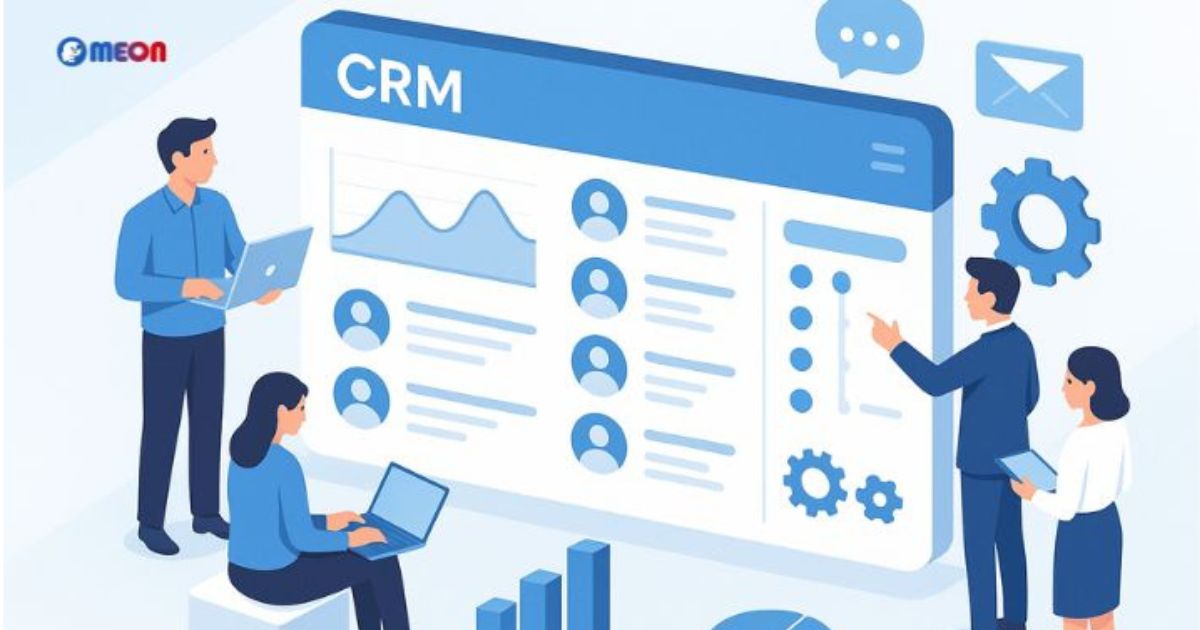
Customer Relationship Management (CRM) refers to a system that helps businesses manage interactions with current and potential customers. It centralizes customer data, tracks communication, and automates key processes across sales, marketing, and customer support.
At its core, CRM is about understanding your customers better—who they are, what they need, and how they interact with your business. By doing so, companies can improve customer satisfaction, increase retention, and drive revenue growth.
CRM systems store valuable information such as:
- Customer contact details
- Purchase history
- Communication logs
- Preferences and behavior
- Support tickets and interactions
This centralized database enables teams to access real-time information and deliver personalized experiences.
Why CRM Matters in 2026
The importance of CRM has grown significantly in recent years due to digital transformation and changing customer expectations. In 2026, customers expect fast, personalized, and seamless interactions across multiple channels.
Businesses that fail to meet these expectations risk losing customers to competitors. CRM systems help bridge this gap by providing tools that enhance customer engagement and improve operational efficiency.
Key Reasons CRM Is Essential
Personalization at Scale
Modern customers expect brands to understand their needs. CRM systems use data and AI to deliver tailored experiences, recommendations, and communications.
Improved Customer Retention
Acquiring new customers is more expensive than retaining existing ones. CRM helps businesses nurture relationships and reduce churn.
Data-Driven Decision Making
CRM platforms provide analytics and reporting tools that enable businesses to make informed decisions based on real data.
Automation and Efficiency
Routine tasks such as follow-ups, email campaigns, and data entry can be automated, freeing up time for strategic activities.
Types of CRM Systems
CRM systems are generally categorized into three main types, each serving different business needs.
Operational CRM
Operational CRM focuses on automating and improving customer-facing processes such as sales, marketing, and customer service.
Features of Operational CRM
- Sales automation
- Marketing automation
- Customer service management
- Lead management
This type of CRM is ideal for businesses looking to streamline daily operations and improve efficiency.
Analytical CRM
Analytical CRM is designed to analyze customer data and provide insights that help businesses make better decisions.
Features of Analytical CRM
- Data mining
- Predictive analytics
- Customer segmentation
- Reporting dashboards
It helps organizations understand customer behavior and identify trends.
Collaborative CRM
Collaborative CRM focuses on improving communication and collaboration between different departments.
Features of Collaborative CRM
- Shared customer data
- Cross-team communication
- Integrated channels
- Customer interaction tracking
This ensures a consistent customer experience across all touchpoints.
Key Features of Modern CRM Systems
CRM platforms in 2026 are more advanced than ever, offering a wide range of features designed to enhance business performance.
Contact Management
This feature allows businesses to store and organize customer information in a centralized database.
Sales Pipeline Management
CRM systems provide visual pipelines that help track deals from initial contact to final conversion.
Marketing Automation
Businesses can automate email campaigns, social media posts, and lead nurturing workflows.
Customer Support Tools
CRM platforms include ticketing systems, chat support, and knowledge bases to improve customer service.
Reporting and Analytics
Advanced reporting tools provide insights into sales performance, customer behavior, and campaign effectiveness.
AI and Predictive Insights
Artificial intelligence helps predict customer behavior, recommend actions, and identify opportunities.
Benefits of Using CRM
Implementing a CRM system offers numerous advantages for businesses of all sizes.
Increased Sales
CRM systems help sales teams prioritize leads, track opportunities, and close deals faster.
Better Customer Experience
By understanding customer needs, businesses can deliver more personalized and satisfying experiences.
Improved Team Collaboration
CRM platforms ensure that all departments have access to the same customer data, improving coordination.
Higher Productivity
Automation reduces manual tasks, allowing employees to focus on high-value activities.
Enhanced Data Security
Modern CRM systems include robust security features to protect sensitive customer information.
How CRM Works
CRM systems work by collecting data from various sources and organizing it into a unified platform.
Data Collection
Data is gathered from multiple channels such as:
- Website interactions
- Social media
- Emails
- Phone calls
- In-store visits
Data Storage
The collected data is stored in a centralized database that can be accessed by different teams.
Data Analysis
CRM systems analyze the data to identify patterns, trends, and opportunities.
Action and Automation
Based on insights, CRM platforms automate tasks and suggest actions to improve customer engagement.
CRM in Different Industries
CRM systems are used across various industries, each with unique requirements.
CRM in Retail
Retail businesses use CRM to track customer preferences, manage loyalty programs, and improve marketing campaigns.
CRM in Healthcare
Healthcare providers use CRM to manage patient records, appointments, and communication.
CRM in Finance
Financial institutions use CRM to manage client relationships, track transactions, and ensure compliance.
CRM in Real Estate
Real estate agents use CRM to manage leads, schedule property visits, and track deals.
How to Choose the Right CRM
Selecting the right CRM system depends on several factors.
Business Size
Small businesses may need simple, cost-effective solutions, while large enterprises require advanced features.
Budget
CRM systems vary in price, so it is important to choose one that fits your budget.
Features
Identify the features that are most important for your business.
Ease of Use
A user-friendly interface ensures quick adoption by your team.
Integration
Choose a CRM that integrates with your existing tools and systems.
CRM Implementation Best Practices
Implementing a CRM system requires careful planning and execution.
Define Clear Goals
Identify what you want to achieve with your CRM.
Train Your Team
Ensure that employees understand how to use the system effectively.
Clean Your Data
Accurate data is essential for CRM success.
Start Small
Begin with basic features and gradually expand.
Monitor and Optimize
Continuously evaluate performance and make improvements.
Common CRM Challenges
Despite its benefits, CRM implementation can present challenges.
User Adoption
Employees may resist change or struggle to use the system.
Data Quality Issues
Incomplete or inaccurate data can affect performance.
Integration Problems
Connecting CRM with other systems can be complex.
High Costs
Some CRM systems can be expensive to implement and maintain.
Future Trends in CRM
CRM technology continues to evolve, with several trends shaping its future.
Artificial Intelligence
AI will play a bigger role in automation, personalization, and decision-making.
Mobile CRM
More businesses will rely on mobile CRM solutions for remote work.
Voice Technology
Voice assistants will be integrated into CRM systems.
Hyper-Personalization
Advanced data analysis will enable highly personalized customer experiences.
Integration with IoT
CRM systems will connect with IoT devices to gather more data.
CRM vs Other Business Tools
CRM is often compared with other tools such as ERP and marketing automation platforms.
CRM vs ERP
ERP focuses on internal processes, while CRM focuses on customer interactions.
CRM vs Marketing Automation
Marketing automation focuses on campaigns, while CRM manages the entire customer lifecycle.
Tips for Maximizing CRM Success
To get the most out of your CRM system:
- Keep your data updated
- Use automation wisely
- Regularly analyze performance
- Customize the system to your needs
- Encourage team collaboration
Conclusion
Customer Relationship Management is no longer optional—it is a necessity for businesses that want to thrive in 2026 and beyond. By leveraging CRM systems, companies can build stronger relationships, improve efficiency, and drive sustainable growth.
Whether you are a small business owner or part of a large enterprise, understanding and implementing CRM can transform the way you interact with customers and achieve your business goals.
Investing in the right CRM strategy today will set the foundation for long-term success in an increasingly customer-centric world.