Personal loans have become one of the most popular financial tools for individuals looking to manage expenses, consolidate debt, or fund major life events. However, not all loans are created equal. One of the most important factors that determines the overall cost of a loan is the interest rate. Choosing a personal loan with low interest can save you a significant amount of money over time and make repayment more manageable.
In this comprehensive guide, you will learn everything about low-interest personal loans, how they work, how to qualify, and how to choose the best option for your financial needs.
Understanding Personal Loans
A personal loan is a type of installment loan that allows you to borrow a fixed amount of money and repay it over a set period with interest. These loans are typically unsecured, meaning you do not need to provide collateral.
Personal loans can be used for various purposes, including:
- Debt consolidation
- Medical expenses
- Home improvements
- Education costs
- Emergency expenses
The key advantage of personal loans is flexibility. However, the interest rate you receive plays a major role in determining whether the loan is affordable.
What Is a Low Interest Personal Loan
A low interest personal loan is a loan that offers a lower annual percentage rate (APR) compared to average market rates. The APR includes both the interest rate and any additional fees, giving you a complete picture of the loan’s cost.
Lower interest rates mean:
- Lower monthly payments
- Reduced total repayment cost
- Easier financial management
Why Interest Rates Matter
Interest rates directly affect how much you will pay over the life of the loan.
Total Cost of the Loan
Even a small difference in interest rates can result in significant savings.
Monthly Payment Amount
Lower rates reduce your monthly financial burden.
Long-Term Financial Health
High-interest loans can lead to debt cycles, while low-interest loans are easier to manage.
Types of Personal Loans
Understanding the different types of personal loans helps you choose the best option.
Unsecured Personal Loans
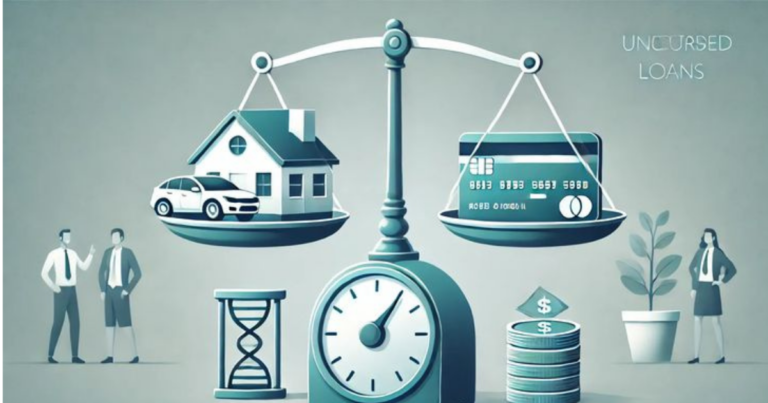
These loans do not require collateral. They are based on your creditworthiness and typically have higher interest rates.
Secured Personal Loans
These loans require collateral, such as a car or savings account. They often come with lower interest rates.
Fixed-Rate Loans
The interest rate remains the same throughout the loan term.
Variable-Rate Loans
The interest rate can change over time based on market conditions.
How to Qualify for Low Interest Personal Loans
Lenders evaluate several factors before offering low interest rates.
Credit Score
A higher credit score increases your chances of qualifying for lower rates.
Income Stability
Stable income demonstrates your ability to repay the loan.
Debt-to-Income Ratio
Lower debt compared to income improves your eligibility.
Employment History
Consistent employment adds credibility.
Improving Your Chances of Getting Low Interest Rates
If you want better loan offers, consider these strategies.
Improve Your Credit Score
Pay bills on time, reduce debt, and avoid unnecessary credit inquiries.
Compare Multiple Lenders
Different lenders offer different rates. Comparing options helps you find the best deal.
Choose a Shorter Loan Term
Shorter terms often come with lower interest rates.
Consider a Co-Signer
A co-signer with good credit can help you secure better rates.
Where to Find the Best Personal Loans
There are several sources for personal loans.
Banks
Traditional banks offer competitive rates for customers with strong credit.
Credit Unions
Often provide lower rates and flexible terms.
Online Lenders
Offer quick approval and competitive rates.
Peer-to-Peer Platforms
Connect borrowers directly with investors.
Key Features to Look For in a Loan
Choosing the right loan involves more than just interest rates.
Low APR
Look for the lowest possible APR.
Flexible Repayment Terms
Choose terms that fit your budget.
No Hidden Fees
Avoid loans with high fees or penalties.
Fast Approval Process
Quick access to funds is important in emergencies.
Comparing Loan Offers
Before choosing a loan, compare the following:
Interest Rates
Lower rates save money.
Loan Terms
Consider repayment duration.
Fees
Check for origination fees and penalties.
Monthly Payments
Ensure payments are affordable.
Benefits of Low Interest Personal Loans
Low interest loans offer several advantages.
Cost Savings
Pay less over time.
Easier Budgeting
Predictable payments make planning easier.
Faster Debt Repayment
Lower interest allows you to pay off debt quicker.
Risks to Consider
Even low interest loans come with risks.
Overborrowing
Borrowing more than needed can lead to financial strain.
Missed Payments
Late payments can damage your credit score.
Variable Rates
Rates may increase over time.
Using Personal Loans for Debt Consolidation
Debt consolidation is a common use for personal loans.
Simplify Payments
Combine multiple debts into one payment.
Lower Interest Rates
Replace high-interest debt with lower rates.
Improve Credit Score
Consistent payments can boost your credit.
Personal Loans for Emergencies
Unexpected expenses can arise at any time.
Quick Access to Funds
Personal loans provide fast financial support.
Flexible Use
Funds can be used for any purpose.
Manageable Repayment
Structured payments make repayment easier.
Tips for Responsible Borrowing
Responsible borrowing ensures financial stability.
Borrow Only What You Need
Avoid unnecessary debt.
Read the Terms Carefully
Understand all conditions before signing.
Make Payments on Time
Timely payments protect your credit score.
Plan Your Budget
Ensure you can afford monthly payments.
Common Mistakes to Avoid
Avoid these mistakes when applying for loans.
Ignoring APR
Focus on total cost, not just monthly payments.
Not Comparing Lenders
Failing to compare options can cost you money.
Overlooking Fees
Hidden fees can increase costs.
Borrowing Without a Plan
Always have a repayment strategy.
How Personal Loans Affect Credit Score
Personal loans can impact your credit in several ways.
Positive Impact
- On-time payments improve your score
- Credit mix diversification
Negative Impact
- Hard inquiries during application
- Missed or late payments
Choosing the Right Loan Term
Loan term affects both interest and monthly payments.
Short-Term Loans
- Higher monthly payments
- Lower total interest
Long-Term Loans
- Lower monthly payments
- Higher total interest
Future Trends in Personal Lending
The lending industry is evolving.
Digital Lending Platforms
Online applications are becoming more popular.
AI-Based Approval Systems
Faster and more accurate loan approvals.
Personalized Loan Offers
Customized rates based on individual profiles.
When to Consider a Personal Loan
Personal loans are suitable in many situations.
Debt Consolidation
Reduce multiple debts into one.
Major Purchases
Finance large expenses.
Emergency Needs
Cover unexpected costs.
Alternatives to Personal Loans
Consider other options if a personal loan is not ideal.
Credit Cards
Suitable for short-term borrowing.
Home Equity Loans
Lower rates but require collateral.
Borrowing from Family
Flexible terms but potential risks.
Final Thoughts
Choosing the best personal loan with low interest requires careful research and planning. By understanding how loans work, comparing lenders, and improving your financial profile, you can secure a loan that meets your needs without putting unnecessary strain on your finances.
Low interest personal loans are a powerful financial tool when used responsibly. They can help you achieve your goals, manage debt, and handle unexpected expenses while minimizing costs.
Take your time, evaluate your options, and make informed decisions. With the right approach, a personal loan can be a stepping stone toward better financial stability and long-term success.