In today’s highly competitive digital economy, businesses are no longer competing solely on products or pricing—they are competing on customer experience. Companies that understand their customers deeply and engage them effectively are the ones that thrive. This is where Customer Relationship Management (CRM) tools play a critical role.
CRM tools have evolved into powerful platforms that do much more than store contact information. They help businesses streamline processes, improve communication, boost sales, and ultimately transform how companies grow and build relationships with their customers.
This comprehensive guide explores how CRM tools can revolutionize your business growth and customer relationships, the key features that make them indispensable, and how to leverage them effectively.
What Are CRM Tools?
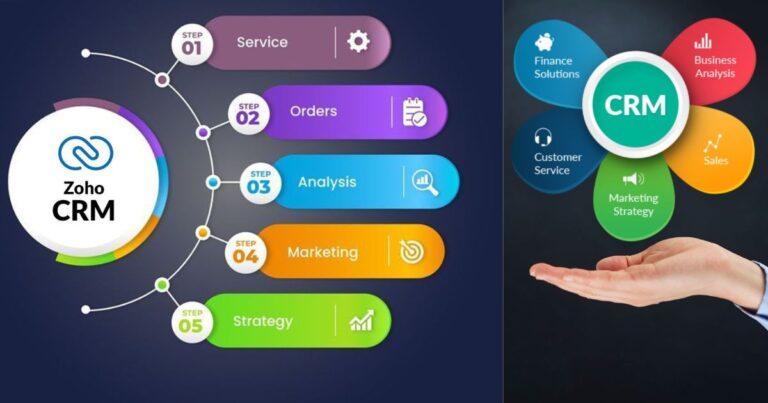
CRM (Customer Relationship Management) tools are software platforms designed to manage a company’s interactions with current and potential customers. They centralize customer data, track communication, and automate business processes across sales, marketing, and customer support.
Core Functions of CRM Tools
Contact Management
CRM tools store detailed customer information such as:
- Names, emails, and phone numbers
- Purchase history
- Communication logs
Interaction Tracking
Every interaction—emails, calls, meetings—is recorded, providing a complete history of the customer journey.
Workflow Automation
Repetitive tasks like follow-ups, email campaigns, and reporting can be automated.
Why CRM Tools Are Essential for Business Growth
Modern businesses face several challenges:
- Managing large volumes of customer data
- Maintaining consistent communication
- Aligning sales, marketing, and support teams
CRM tools address these challenges effectively.
1. Centralized Data for Better Decisions
Having all customer data in one place allows businesses to:
- Gain a 360-degree view of customers
- Make data-driven decisions
- Identify trends and opportunities
2. Improved Efficiency Across Teams
CRM tools eliminate manual processes by automating tasks, allowing teams to focus on high-value activities.
Example:
- Automated email follow-ups
- Task reminders for sales reps
- Lead assignment workflows
3. Enhanced Customer Experience
Customers expect personalized and timely interactions. CRM tools enable businesses to:
- Respond quickly
- Personalize communication
- Deliver consistent experiences across channels
How CRM Tools Transform Customer Relationships
Customer relationships are the foundation of any successful business. CRM tools help nurture and strengthen these relationships.
1. Personalization at Scale
What It Means
CRM systems use customer data to tailor communication and offers.
How It Helps
- Customers feel valued
- Higher engagement rates
- Increased loyalty
2. Consistent Communication
CRM tools ensure no customer interaction is missed.
Features That Help:
- Automated reminders
- Email tracking
- Scheduled follow-ups
3. Faster Response Times
With instant access to customer data, support and sales teams can respond quickly and accurately.
4. Proactive Customer Engagement
CRM tools allow businesses to anticipate customer needs.
Examples:
- Sending reminders before subscription renewals
- Offering discounts based on purchase behavior
How CRM Tools Drive Business Growth
CRM tools directly impact revenue and growth by optimizing sales and marketing processes.
1. Better Lead Management
CRM tools help businesses capture, track, and nurture leads effectively.
Key Capabilities:
- Lead scoring
- Lead segmentation
- Automated nurturing campaigns
2. Increased Sales Productivity
Sales teams benefit from:
- Organized pipelines
- Automated tasks
- Clear visibility into deals
3. Improved Conversion Rates
By targeting the right customers with the right message, CRM tools increase conversion rates.
4. Data-Driven Sales Strategies
CRM analytics provide insights into:
- Which strategies work
- Where deals are lost
- How to optimize performance
Key Features That Enable Transformation
CRM tools are powerful because of their features.
1. Sales Pipeline Management
What It Does
Tracks deals through different stages.
Benefits
- Clear visibility
- Better forecasting
- Improved accountability
2. Marketing Automation
CRM tools automate marketing campaigns.
Features Include:
- Email marketing
- Customer segmentation
- Campaign tracking
3. AI and Predictive Analytics
AI enhances CRM capabilities.
Use Cases:
- Predicting customer behavior
- Recommending next actions
- Identifying high-value leads
4. Integration with Other Tools
CRM systems integrate with:
- Email platforms
- Social media
- Accounting software
5. Mobile Accessibility
Teams can access CRM systems anytime, anywhere.
6. Reporting and Analytics
CRM dashboards provide real-time insights into business performance.
Real-World Impact of CRM Tools
Businesses across industries are leveraging CRM tools to achieve remarkable results.
Case Study 1: Small Business Growth
A small e-commerce company implemented a CRM tool and experienced:
- 40% increase in customer retention
- 25% growth in sales
Case Study 2: Enterprise Efficiency
A large enterprise used CRM automation to:
- Reduce manual tasks by 50%
- Improve team collaboration
CRM Tools for Different Business Types
1. Small Businesses
Needs:
- Affordable solutions
- Easy setup
- Basic automation
Benefits:
- Faster growth
- Better organization
2. Medium-Sized Businesses
Needs:
- Advanced features
- Integration capabilities
Benefits:
- Scalable processes
- Improved efficiency
3. Enterprises
Needs:
- Customization
- Advanced analytics
- High scalability
Benefits:
- Global customer management
- Complex workflow automation
Challenges in Implementing CRM Tools
Despite their benefits, CRM tools come with challenges.
1. User Adoption
Employees may resist new systems.
Solution:
- Provide training
- Choose user-friendly tools
2. Data Migration
Moving data from old systems can be complex.
3. Cost Considerations
Some CRM tools can be expensive.
4. Customization Complexity
Highly customizable CRMs may require technical expertise.
Best Practices for Using CRM Tools Effectively
1. Define Clear Goals
Understand what you want to achieve:
- Increased sales
- Better customer service
- Improved marketing
2. Train Your Team
Ensure employees know how to use the CRM effectively.
3. Keep Data Clean
Accurate data is essential for success.
4. Use Automation Wisely
Automate repetitive tasks but maintain a human touch.
5. Monitor and Optimize
Regularly analyze performance and improve processes.
Future of CRM Tools
CRM technology continues to evolve rapidly.
1. AI-Driven Automation
More tasks will be handled by AI.
2. Hyper-Personalization
Businesses will deliver highly tailored experiences.
3. Omnichannel Communication
CRM tools will integrate all communication channels.
4. Voice and Conversational CRM
Voice assistants will become part of CRM systems.
How to Choose the Right CRM Tool
1. Identify Your Needs
Determine:
- Business size
- Industry requirements
- Budget
2. Compare Features
Focus on features that align with your goals.
3. Evaluate Ease of Use
User-friendly tools improve adoption.
4. Consider Scalability
Choose a CRM that grows with your business.
5. Check Support and Training
Reliable support is crucial.
Conclusion
CRM tools are no longer optional—they are essential for businesses aiming to grow and build strong customer relationships in 2026 and beyond.
They empower companies to:
- Understand customers better
- Improve communication
- Increase efficiency
- Drive revenue growth
By choosing the right CRM and using it effectively, businesses can transform not only their operations but also the way they connect with their customers.
In a world where customer experience defines success, CRM tools are the key to staying competitive and achieving long-term growth.