Understanding the Basics of Borrowing Money
Loans are one of the most important financial tools available to individuals and businesses. Whether someone is buying a home, financing a car, starting a business, or covering unexpected expenses, borrowing money can make major goals achievable.
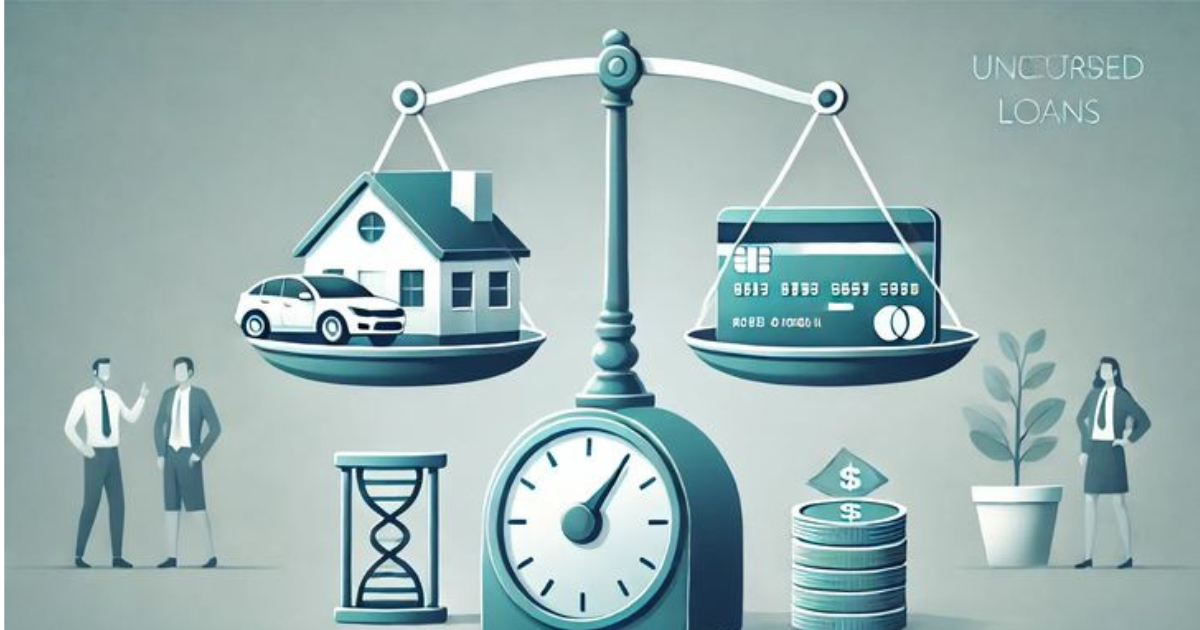
At the core of lending are two main categories: secured loans and unsecured loans. These two types of credit work very differently, especially in terms of risk, interest rates, approval requirements, and repayment structure.
Understanding the difference between them is essential for making smart financial decisions. Choosing the wrong type of loan can lead to higher costs, unnecessary risk, or financial strain, while choosing the right one can save money and improve long-term financial health.
This guide breaks down both types in detail, explaining how they work, their advantages and disadvantages, and when each option makes the most sense.
What Are Secured Loans?
Secured loans are loans that require collateral. Collateral is an asset that the borrower pledges to the lender as security for the loan. If the borrower fails to repay the loan, the lender has the legal right to seize the collateral to recover their losses.
This structure reduces risk for lenders, which is why secured loans typically come with lower interest rates and higher borrowing limits.
Common examples of collateral include:
- Homes or real estate
- Vehicles such as cars or motorcycles
- Savings accounts or fixed deposits
- Business equipment or inventory
Secured loans are widely used for large financial commitments, especially when borrowers need substantial funding or longer repayment terms.
What Are Unsecured Loans?
Unsecured loans do not require any collateral. Instead of relying on assets, lenders evaluate the borrower’s creditworthiness based on financial history, income, credit score, and overall risk profile.
Because there is no collateral to recover in case of default, unsecured loans are riskier for lenders. As a result, they usually come with higher interest rates and stricter credit requirements.
Common examples include:
- Personal loans
- Credit cards
- Student loans (in many cases)
- Medical loans
- Some online instant loans
Unsecured loans are popular because they are easier to access and do not require borrowers to risk personal assets.
Key Differences Between Secured and Unsecured Loans
Although both types of loans serve the same purpose—providing access to borrowed money—they differ significantly in structure and risk.
Collateral Requirement
Secured loans require collateral, while unsecured loans do not.
Interest Rates
Secured loans typically offer lower interest rates due to reduced lender risk. Unsecured loans generally have higher interest rates.
Approval Process
Secured loans may require asset verification, while unsecured loans focus more heavily on credit history and income.
Loan Amounts
Secured loans often allow higher borrowing limits. Unsecured loans usually have lower maximum amounts.
Risk Level
Borrowers risk losing assets with secured loans if they default. With unsecured loans, the main risk is damage to credit score and potential legal action.
How Secured Loans Work in Practice
Secured loans operate on the principle of asset-backed lending. When a borrower applies for a secured loan, they must provide proof of ownership of the collateral. The lender then evaluates the value of the asset and determines how much they are willing to lend.
Loan-to-Value Ratio
Lenders use a metric called loan-to-value ratio (LTV), which compares the loan amount to the value of the collateral. For example, if a home is worth $200,000 and the lender offers a loan of $150,000, the LTV is 75%.
Lower LTV ratios are safer for lenders and often result in better loan terms for borrowers.
Risk of Repossession
If the borrower fails to repay the loan, the lender can legally repossess the collateral. This makes repayment discipline extremely important.
Common Secured Loan Types
- Mortgage loans
- Auto loans
- Home equity loans
- Secured business loans
How Unsecured Loans Work in Practice
Unsecured loans rely entirely on the borrower’s financial reputation. Since no collateral is involved, lenders assess risk through credit scoring models and income verification.
Credit Score Importance
A strong credit score increases approval chances and leads to better interest rates. A low score may result in rejection or higher costs.
Income Verification
Lenders ensure that borrowers have sufficient income to meet repayment obligations.
Debt-to-Income Ratio
This ratio compares monthly debt payments to income. A lower ratio indicates better financial stability.
Common Unsecured Loan Types
- Personal loans
- Credit cards
- Student loans
- Payday loans
- Medical financing loans
Advantages of Secured Loans
Secured loans offer several benefits, especially for borrowers seeking large amounts or lower interest rates.
Lower Interest Rates
Because collateral reduces risk, lenders offer more competitive rates.
Higher Borrowing Limits
Borrowers can access larger sums of money compared to unsecured loans.
Easier Approval for Large Loans
Even borrowers with average credit may qualify if they have strong collateral.
Longer Repayment Terms
Secured loans often come with extended repayment periods, reducing monthly payments.
Disadvantages of Secured Loans
Despite their benefits, secured loans also come with serious risks.
Risk of Losing Assets
Failure to repay can result in foreclosure or repossession.
Longer Approval Process
Valuing and verifying collateral takes time.
Limited Flexibility
Funds are often restricted to specific uses, especially in mortgage or auto loans.
Advantages of Unsecured Loans
Unsecured loans are popular because they are simple and accessible.
No Collateral Required
Borrowers do not risk losing assets.
Faster Approval Process
Since no asset evaluation is needed, approval is often quicker.
Flexible Usage
Funds can usually be used for any purpose.
Easier Accessibility
Many lenders offer unsecured loans even to borrowers with limited assets.
Disadvantages of Unsecured Loans
However, unsecured loans also come with drawbacks.
Higher Interest Rates
Lenders compensate for higher risk by charging more.
Lower Loan Amounts
Borrowers may not be able to access large sums.
Strict Credit Requirements
Good credit is often required for favorable terms.
Shorter Repayment Terms
Monthly payments may be higher due to shorter durations.
When to Choose a Secured Loan
Secured loans are ideal in situations where:
You Need a Large Amount of Money
For example, buying a house or funding a major business expansion.
You Have Valuable Assets
If you own property or other collateral, secured loans can reduce borrowing costs.
You Want Lower Interest Rates
Secured loans are generally more affordable in the long term.
You Have Long-Term Financial Stability
Stable income reduces the risk of losing collateral.
When to Choose an Unsecured Loan
Unsecured loans are better when:
You Need Fast Access to Cash
Emergency expenses often require quick approval.
You Do Not Want to Risk Assets
No collateral means less personal financial risk.
You Need Smaller Loan Amounts
Ideal for short-term or moderate financial needs.
You Have Strong Credit
Good credit helps secure better interest rates.
Real-World Examples of Secured vs Unsecured Loans
Example of a Secured Loan
A homeowner takes a home equity loan to renovate their property. The house acts as collateral, allowing them to borrow a large amount at a lower interest rate.
Example of an Unsecured Loan
An individual takes a personal loan to cover medical expenses. No collateral is required, but the interest rate is higher due to increased lender risk.
Interest Rate Comparison
Interest rates vary widely depending on creditworthiness and market conditions, but general patterns remain consistent.
Secured loans typically have significantly lower rates because the lender has asset protection. Unsecured loans tend to have higher rates due to increased risk exposure.
Even borrowers with excellent credit will usually see secured loans priced more favorably.
Risk Comparison Between Secured and Unsecured Loans
Risk is distributed differently in each loan type.
In Secured Loans
The borrower risks losing physical or financial assets.
In Unsecured Loans
The borrower risks credit damage, collection actions, and potential legal consequences, but not physical asset loss.
Impact on Credit Score
Both loan types affect credit scores based on repayment behavior.
Positive Impact
On-time payments improve credit history and increase future borrowing opportunities.
Negative Impact
Late payments or defaults reduce credit scores significantly.
Secured loans may have more severe consequences in default situations due to asset repossession.
How Lenders Decide Between Secured and Unsecured Loans
Lenders evaluate multiple factors:
Credit Score and History
Higher scores favor unsecured loan approval.
Asset Availability
Borrowers with assets may be offered secured loans.
Income Stability
Stable income improves approval chances for both loan types.
Loan Purpose
Large purchases often require secured loans.
Common Mistakes Borrowers Make
Choosing Based Only on Interest Rate
Ignoring risk exposure can lead to asset loss.
Overestimating Repayment Ability
Borrowers sometimes take on more debt than they can handle.
Ignoring Loan Terms
Fees and penalties can significantly increase total cost.
Not Comparing Lenders
Different lenders offer vastly different terms.
How to Decide Which Loan Is Right for You
Choosing between secured and unsecured loans depends on personal financial circumstances.
If minimizing interest cost is your priority and you have assets, secured loans may be ideal. If flexibility and speed matter more, unsecured loans may be better.
A balanced approach is always best: match the loan type to your financial goal, risk tolerance, and repayment ability.
Final Thoughts
Secured and unsecured loans both play essential roles in modern finance. Neither is inherently better than the other—they simply serve different purposes.
Secured loans offer lower costs and higher borrowing power but come with the risk of asset loss. Unsecured loans provide flexibility and accessibility but often at a higher price.
Understanding these differences empowers borrowers to make informed decisions, avoid unnecessary risks, and choose the most suitable financing option for their needs.