Understanding Bad Credit and Why It Matters
Bad credit is often misunderstood as a permanent financial label, but in reality it is simply a reflection of your borrowing history. Credit scores are calculated based on how reliably you have managed debt in the past—such as credit cards, personal loans, mortgages, and other financial obligations. When payments are missed, balances remain high, or accounts go into collections, the credit score decreases.
Lenders use credit scores to assess risk. A low score signals higher risk, which is why people with bad credit often face higher interest rates, stricter approval requirements, or even rejection. However, having bad credit does not mean you are excluded from borrowing opportunities. It simply means you need to be more strategic when selecting loan products.
In today’s financial market, many lenders specialize in offering loans for individuals with less-than-perfect credit histories. Some even provide relatively low rates compared to traditional subprime lending options, especially when borrowers take steps to improve their application profile.
Understanding how these loans work, what influences interest rates, and how to identify trustworthy lenders is essential before making any financial commitment.
What Are Loans for Bad Credit?
Loans for bad credit are financial products designed specifically for borrowers with low credit scores or limited credit histories. These loans are typically offered by alternative lenders, online financial institutions, credit unions, and peer-to-peer lending platforms.
Unlike traditional bank loans, which often require strong credit profiles, these loans focus on additional factors such as:
- Current income stability
- Employment history
- Debt-to-income ratio
- Banking activity
- Collateral (in some cases)
There are several types of loans available for bad credit borrowers, including personal loans, secured loans, payday alternative loans, and installment loans. Each has its own structure, repayment terms, and interest rate range.
The key goal of these loans is to provide access to financing while also helping borrowers rebuild their credit over time through consistent repayment behavior.
Why Interest Rates Are Higher for Bad Credit Borrowers
Interest rates represent the cost of borrowing money. When a lender issues a loan, they take on the risk that the borrower may not repay it. For borrowers with bad credit, this risk is statistically higher, which leads lenders to charge higher interest rates to offset potential losses.
Several factors influence the rate offered:
Credit Risk Assessment
Lenders evaluate your credit score and credit report to determine your risk level. Lower scores typically result in higher interest rates.
Income and Employment Stability
A stable income can help reduce perceived risk, sometimes lowering the rate even if credit is poor.
Loan Type and Collateral
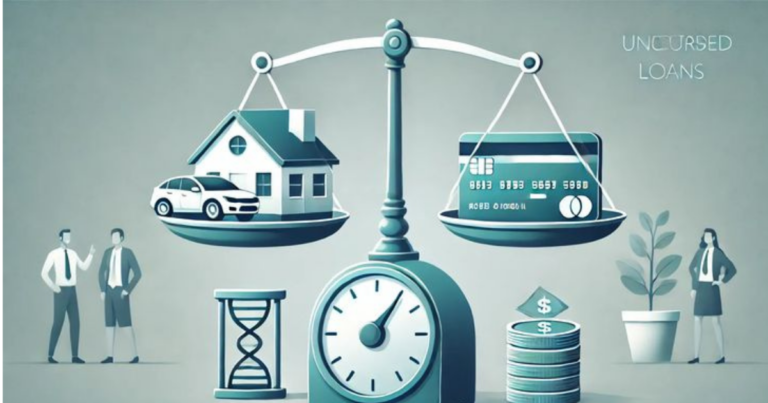
Secured loans—those backed by assets like a car or savings account—generally have lower rates than unsecured loans.
Market Conditions
Interest rates also fluctuate based on central bank policies and economic conditions.
Despite these factors, borrowers with bad credit can still find relatively low-rate options by comparing lenders and improving their financial profile.
Types of Loans Available for Bad Credit with Low Rates
Understanding the different types of loans helps you choose the most cost-effective option for your needs.
Personal Installment Loans
Personal installment loans are one of the most common options for bad credit borrowers. These loans are repaid in fixed monthly payments over a set period.
Advantages include:
- Predictable payment schedule
- Fixed interest rates
- Flexible loan amounts
Some online lenders offer competitive rates even for lower credit scores, especially if the borrower has steady income.
Secured Personal Loans
Secured loans require collateral, such as a vehicle, savings account, or other valuable asset. Because the lender has security, interest rates are usually lower than unsecured loans.
These loans are ideal for borrowers who want better rates and are willing to risk an asset.
Credit Union Loans
Credit unions are member-owned financial institutions that often offer more favorable lending terms than traditional banks. They tend to be more flexible with credit requirements and may provide lower interest rates for bad credit borrowers.
Peer-to-Peer (P2P) Loans
Peer-to-peer lending platforms connect borrowers directly with investors. These platforms use alternative credit assessments, sometimes resulting in more competitive rates than banks.
Payday Alternative Loans (PALs)
Offered by some credit unions, PALs are designed as safer alternatives to payday loans. They typically have lower fees and more reasonable interest rates, making them a better option for short-term borrowing.
How to Qualify for a Loan with Bad Credit
Even with a low credit score, approval is possible if you meet certain criteria. Lenders evaluate more than just your credit score.
Proof of Income
Lenders want assurance that you can repay the loan. Regular income from employment, freelancing, or business activities increases approval chances.
Debt-to-Income Ratio
This ratio compares your monthly debt payments to your monthly income. A lower ratio improves your eligibility.
Employment Stability
Long-term employment or consistent income history signals financial stability.
Bank Account Activity
Lenders may review your bank statements to assess spending habits and cash flow.
Co-Signer Option
Adding a co-signer with good credit can significantly improve approval chances and lower interest rates.
How to Find Loans with Low Rates Despite Bad Credit
Finding low-interest loans with bad credit requires research and strategy. Here are effective approaches:
Compare Multiple Lenders
Never accept the first offer. Online comparison tools allow you to review multiple lenders at once.
Look for Prequalification Options
Prequalification lets you check potential rates without affecting your credit score.
Focus on Credit Unions
Credit unions often offer better rates than traditional banks or online lenders.
Improve Your Credit Score Before Applying
Even a small improvement in your credit score can significantly reduce interest rates.
Choose Secured Loans When Possible
If you have collateral, secured loans typically offer much lower rates.
Strategies to Improve Loan Approval Chances
Improving your financial profile can make a big difference in both approval odds and interest rates.
Reduce Existing Debt
Paying down credit card balances improves your credit utilization ratio.
Correct Credit Report Errors
Errors in your credit report can unfairly lower your score. Disputing them may improve your rating quickly.
Avoid Multiple Hard Inquiries
Too many loan applications in a short time can negatively affect your credit score.
Increase Income Stability
Side income or additional employment can strengthen your application.
Risks of Loans for Bad Credit
While these loans provide access to funds, they also carry risks that must be understood.
High Interest Costs
Even “low-rate” bad credit loans may still be more expensive than prime loans.
Debt Cycle Risk
Borrowers may fall into a cycle of borrowing to repay existing debt.
Hidden Fees
Some lenders include origination fees, late payment fees, or prepayment penalties.
Predatory Lenders
Not all lenders operate ethically. Some target vulnerable borrowers with unfair terms.
How to Identify Safe and Reliable Lenders
Choosing a trustworthy lender is critical for financial safety.
Check Licensing and Regulation
Ensure the lender is registered and regulated in your jurisdiction.
Read Customer Reviews
Look for consistent feedback regarding transparency and customer service.
Avoid Upfront Fees
Legitimate lenders typically do not ask for payment before loan approval.
Review the Loan Agreement Carefully
Pay attention to interest rates, repayment terms, and penalties.
Tips for Getting the Lowest Possible Rate
Even with bad credit, you can reduce borrowing costs by following smart financial practices.
Add a Co-Signer
A strong co-signer can dramatically reduce interest rates.
Choose Shorter Loan Terms
Shorter repayment periods often come with lower interest rates.
Automate Payments
Some lenders offer rate discounts for automatic withdrawals.
Demonstrate Financial Stability
Stable income and low debt levels can help negotiate better terms.
Building Credit Through Loans
One of the biggest advantages of taking a loan with bad credit is the opportunity to rebuild your credit score.
On-Time Payments
Payment history is the most important credit factor.
Credit Mix Improvement
Having both revolving credit and installment loans can improve your credit profile.
Lower Credit Utilization
Paying down balances improves overall credit health.
Over time, responsible borrowing can transform bad credit into fair or even good credit.
Alternatives to Traditional Bad Credit Loans
If loan terms are unfavorable, consider alternative funding options.
Borrowing from Family or Friends
This may offer zero interest but requires clear repayment agreements.
Credit Builder Loans
These are designed specifically to improve credit scores.
Employer Salary Advances
Some employers offer paycheck advances with minimal or no interest.
Side Income Options
Freelancing or gig work may reduce the need for borrowing altogether.
Common Mistakes to Avoid
Many borrowers with bad credit make avoidable mistakes that increase financial stress.
Accepting the First Offer
Always compare multiple options.
Ignoring Total Loan Cost
Focus on APR, not just monthly payments.
Borrowing More Than Needed
Only borrow what is necessary to avoid unnecessary debt.
Missing Payments
Late payments can worsen credit scores further.
Step-by-Step Guide to Applying for a Loan
Step 1: Check Your Credit Score
Understand your financial standing before applying.
Step 2: Compare Lenders
Review multiple loan offers.
Step 3: Prequalify
Check estimated rates without harming your credit.
Step 4: Submit Application
Provide accurate financial information.
Step 5: Review Loan Terms
Ensure you understand all conditions.
Step 6: Accept and Receive Funds
Funds are typically disbursed quickly for online lenders.
Step 7: Repay Consistently
Maintain on-time payments to rebuild credit.
Final Thoughts
Loans for bad credit with low rates are not only possible but increasingly accessible thanks to online lending platforms, credit unions, and alternative financial institutions. While bad credit does present challenges, it does not eliminate borrowing opportunities.
The key to success lies in understanding your financial situation, comparing multiple lenders, and choosing the most responsible borrowing option. By doing so, you can secure funding when needed while also taking steps toward long-term credit improvement.
Responsible borrowing is not just about solving immediate financial problems—it is also about building a stronger financial future.